

Beyond Probability: Why Personalized Medicine Needs an Architectural Framework
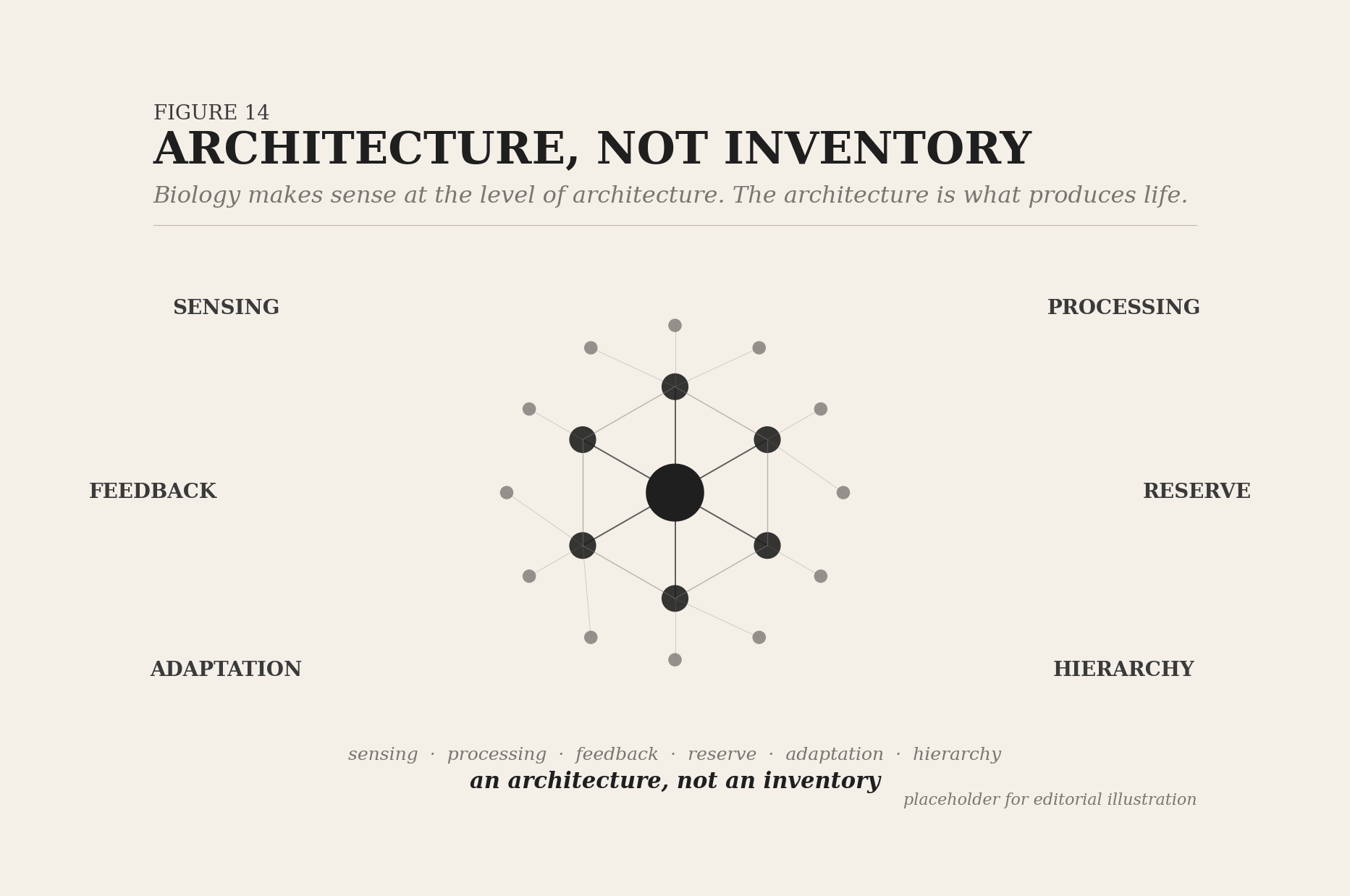
Modern genomics has delivered an unprecedented view into the building blocks of biology. We can identify variants, map pathways, and estimate risk with increasing precision. Yet despite this progress, a fundamental limitation persists. We are exceptionally good at cataloging parts, but far less effective at understanding how those parts organize into functioning systems.
This gap is not a failure of data. It is a failure of interpretation.
In my work at NomosLogic Inc., I have focused on a central question: what if complex biology is not simply probabilistic noise, but structured architecture that has not yet been read correctly?
Most current approaches to personalized medicine rely on probabilistic models. These models aggregate signals across populations and assign likelihoods to outcomes such as disease risk or treatment response. They work well in narrowly defined contexts, particularly where a single genetic driver dominates. But as biological complexity increases, their explanatory power begins to plateau.
The same genetic variant can produce different outcomes in different individuals. The same treatment can succeed in one patient and fail in another, even when their profiles appear similar. These inconsistencies are often treated as noise. In reality, they point to something more important. They suggest that biology is not merely probabilistic. It is structured.
This is the foundation of the principle I call Deterministic Convergence.
Deterministic Convergence reframes biology from a problem of probability to a problem of architecture. Rather than asking only what is most likely, it asks how a biological system is organized, how it behaves under constraint, and where stable patterns emerge across complexity.
Biological systems are shaped by constraint, reserve, interaction, and history. Genes do not operate in isolation. They function within networks that adapt, compensate, and reorganize under pressure. When we interpret biology as a collection of independent signals, we lose visibility into the system that governs those signals.
At NomosLogic, our work is centered on personalized molecular medicine infrastructure: building architecture-centered approaches for understanding how individual biological systems behave under constraint, perturbation, and intervention. The goal is not to replace genomics, but to add the missing architectural layer required to make genomic interpretation more useful, more individualized, and more actionable.
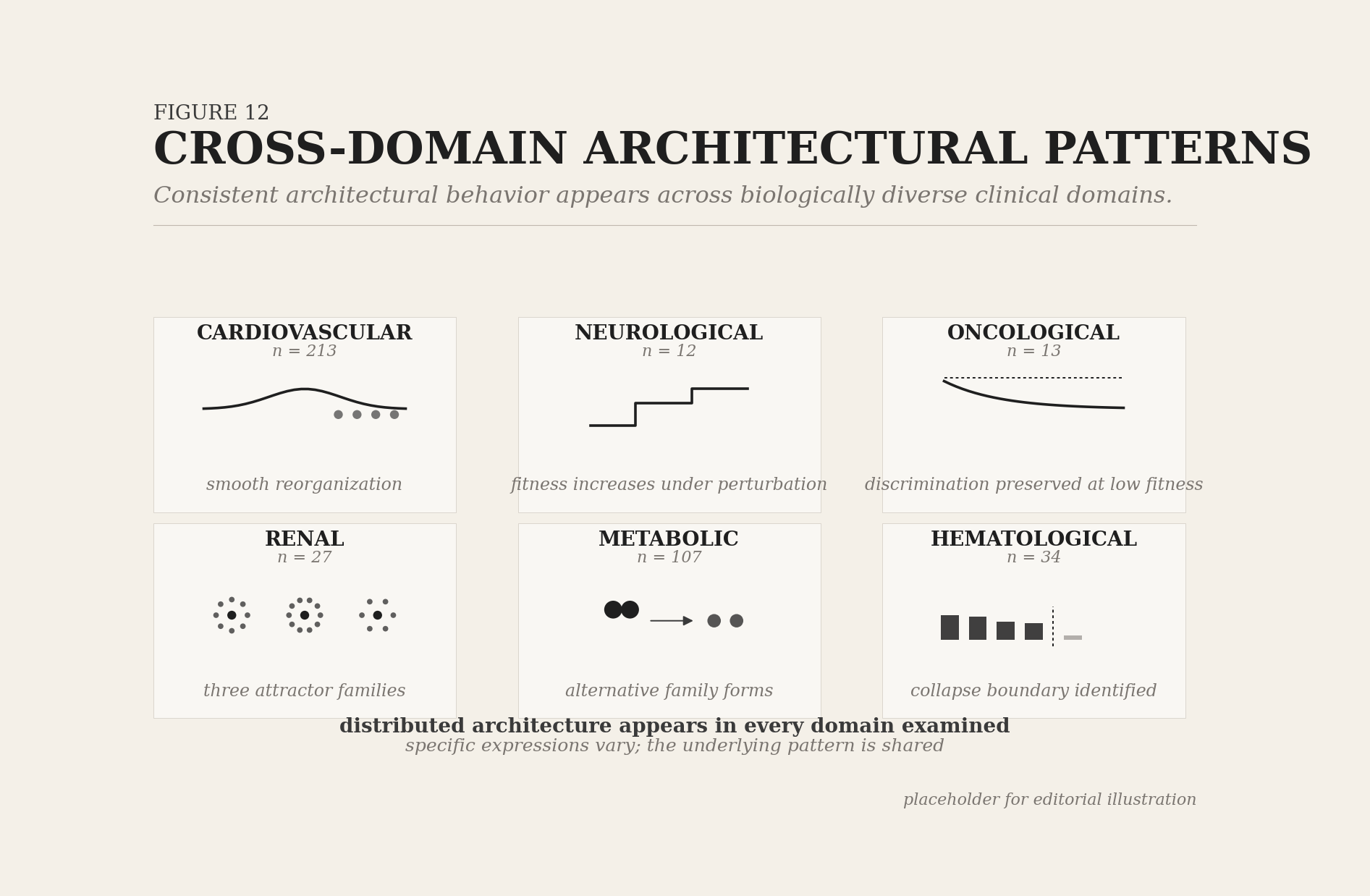
In this view, variability is not random. It is the result of underlying structure interacting with environment, ancestry, and constraint. What appears unpredictable at the surface may reflect deeper, reproducible patterns that are not yet being measured or modeled correctly.
The next phase of personalized medicine will depend on our ability to move beyond fragmented interpretation. It will require frameworks that treat biological systems as coherent structures rather than collections of parts. It will require new ways of measuring, comparing, and reasoning about how those systems behave across individuals.
The tools we have built as a field are powerful. But without an architectural lens, they remain incomplete.
The opportunity ahead is not simply to improve prediction. It is to understand the system itself.